Heathrow is one of the world's most recognised international airports. Chinese travellers already know the name. The harder job was making them care.
Branding · China Digital Marketing
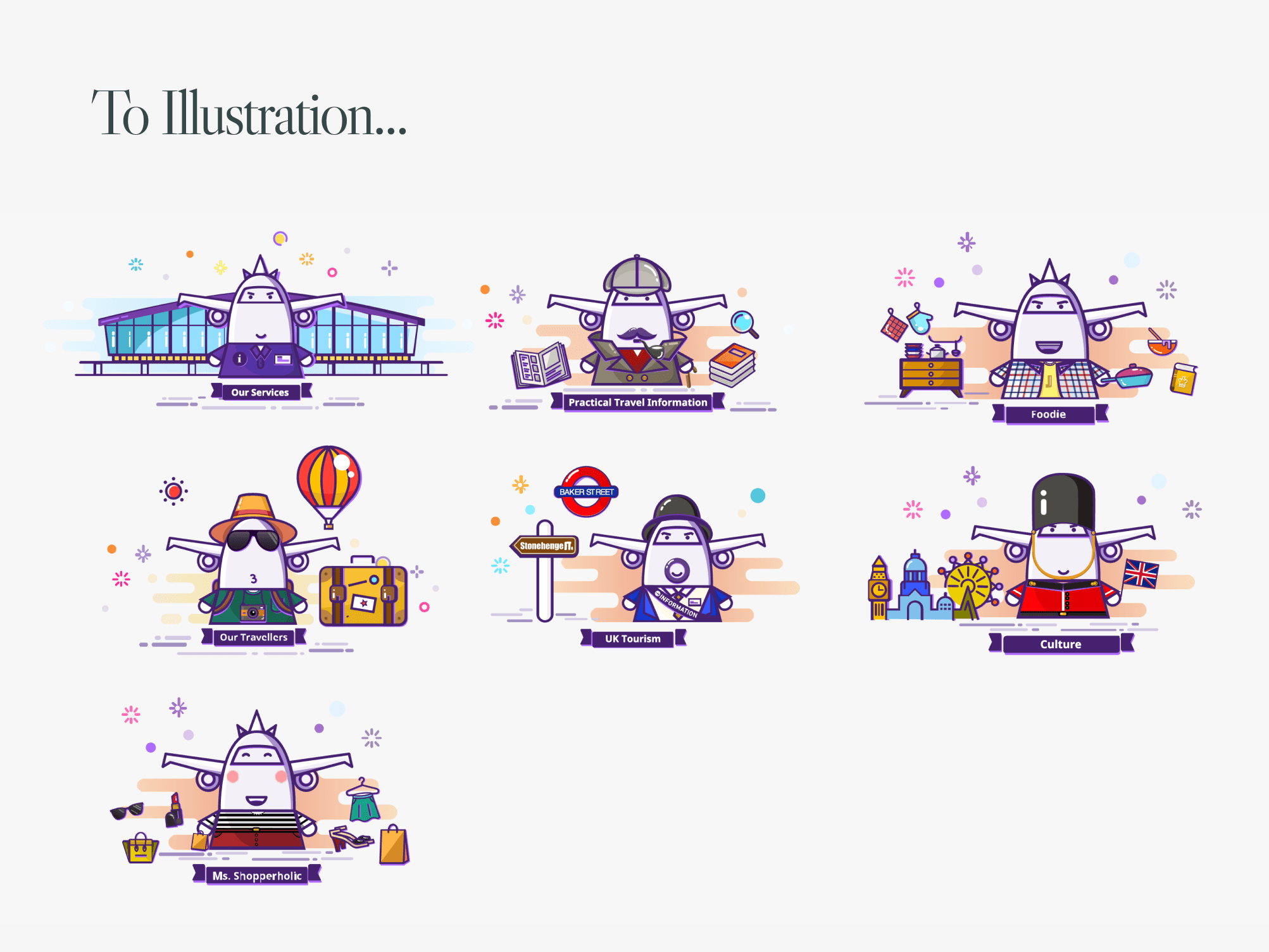
Working with the project manager, we found a way to bring Heathrow closer to its Chinese audience on the platforms they actually use: seven characters, each one standing in for a different Heathrow service. I mapped Heathrow's existing services into seven content categories with the PM.
I collaborated with the PM to map Heathrow's existing services into seven content categories — then created a distinct character for each, so audiences could immediately identify and navigate to the content most relevant to them.

One airplane, seven personalities
The concept: Create an Aeroplane man to bring an emotional connection with the audience. The seven service categories were: Our Services · Our Travellers · UK Tourism · Practical Travel Information · Culture · Shopping · Food.
Each had a different job, and each wore it through a distinct piece of British culture: Sherlock Holmes for Practical Travel Information, a Beefeater in ceremonial red for Culture, London landmarks for UK Tourism, a packed suitcase and hot air balloon for Our Travellers, a chef's hat and wok for Food, shopping bags and attitude for Ms. Shopperholic, and the terminal building itself as the backdrop for Our Services. These are British archetypes Chinese audiences already recognised. A mascot alone couldn't carry that much range, so we split the idea across seven characters instead.
The flat illustration style (bold fills, clean outlines) was calibrated for WeChat and Weibo: readable at small sizes, lively enough to stop a scroll.


From sketch to motion
I started with hand sketches for all seven, establishing the shared visual logic first, then giving each character its own personality through costume, posture, and detail. The output was a content system: each character an immediate signal of its category, with micro-animations added to bring them to life and keep the content engaging on social feeds.
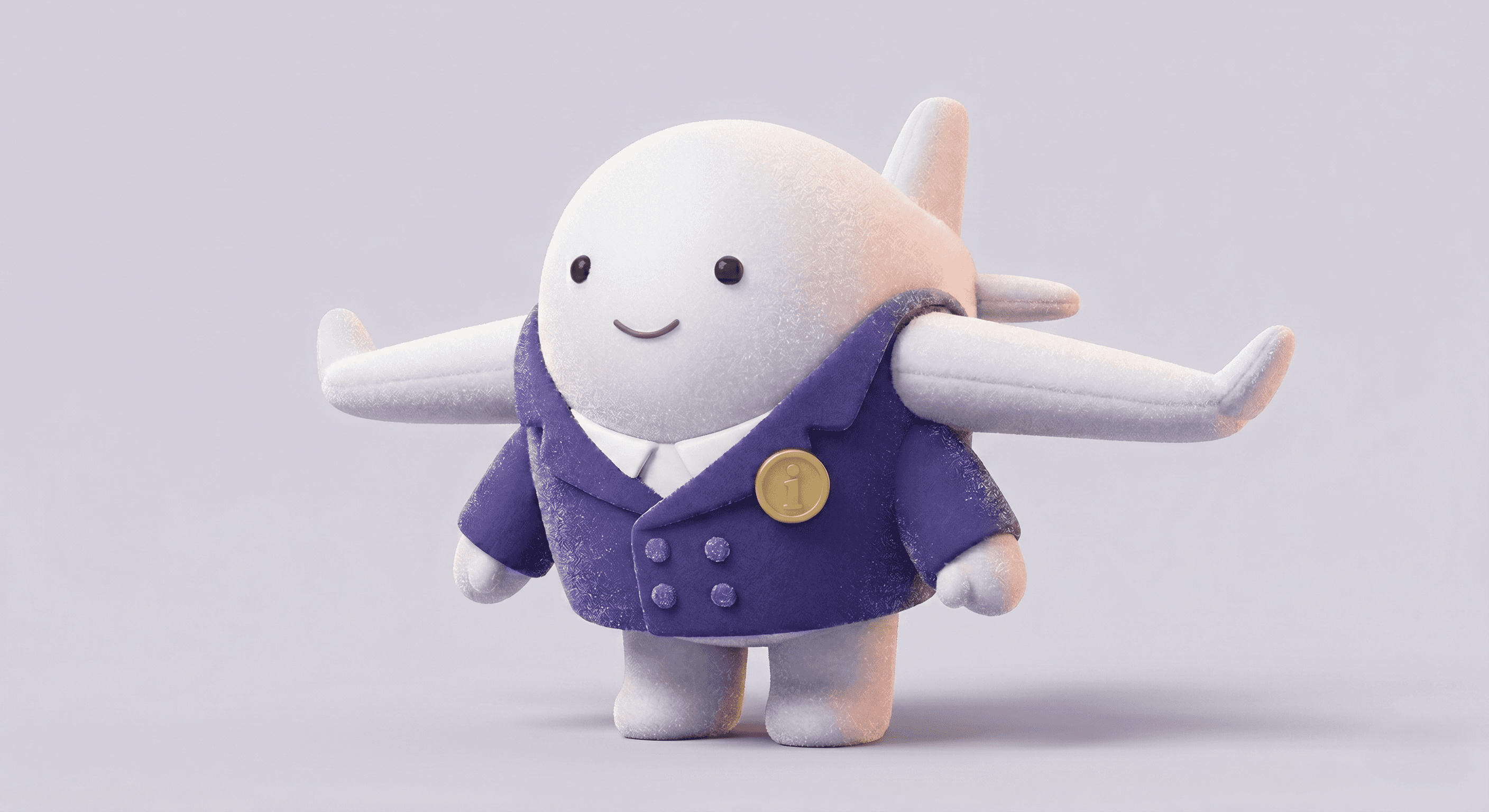
Revisiting the work — bringing the characters into 3D (in progress)
Ten years on, I'm bringing the characters into 3D using AI tools: same personalities, same British archetype logic, just with the depth and material texture flat illustration couldn't give them back then. It's a chance to show what AI is actually good for here: extending work that already exists.
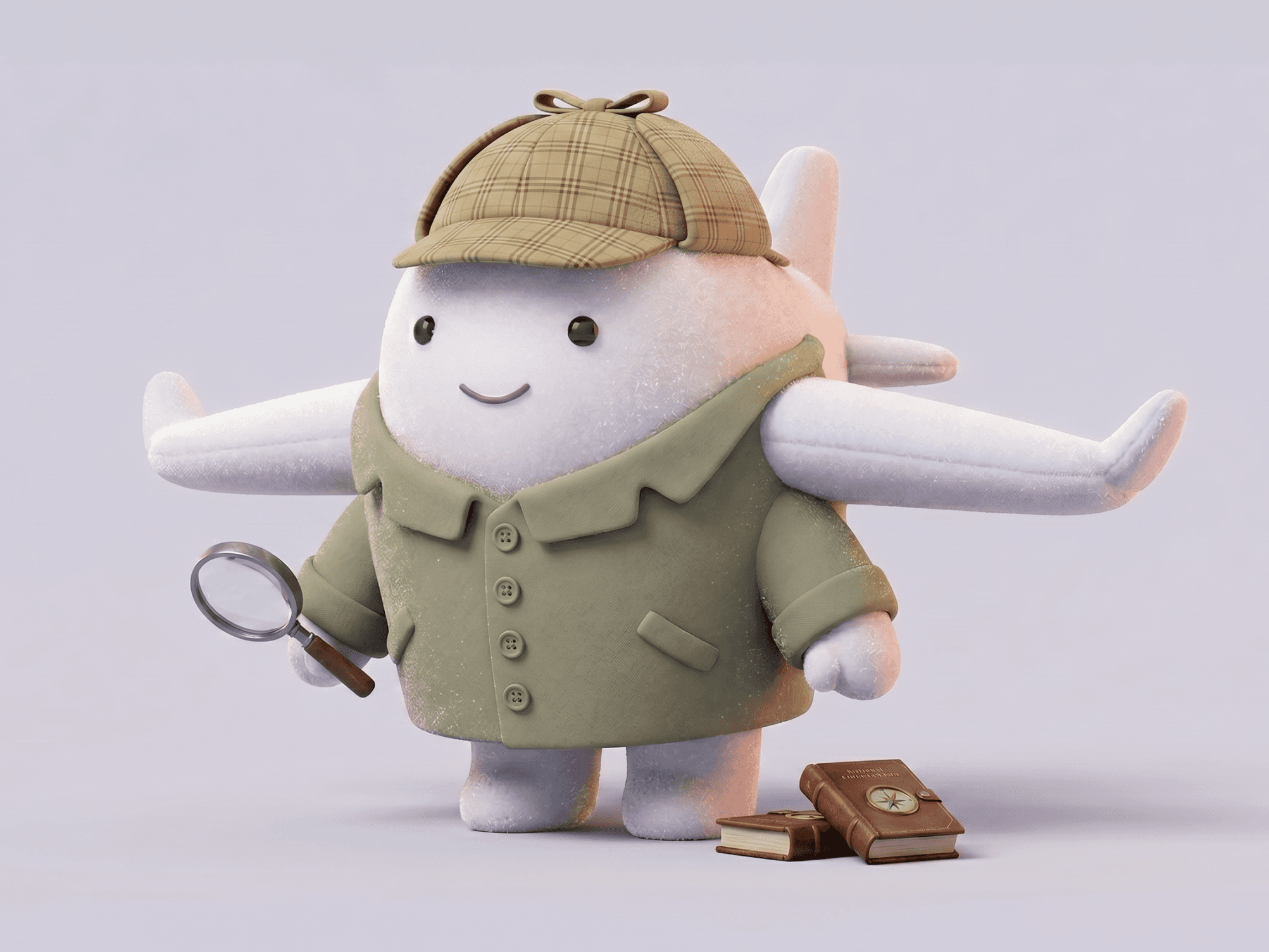

What I’d carry forward

Creativity doesn't stop when a project ends. In the AI era, a good idea is all you need to take it further, and honestly, I'm enjoying every bit of bringing these seven characters to their next stage.